India
 UAE

Does Sweating More Really Mean Burning Calories?
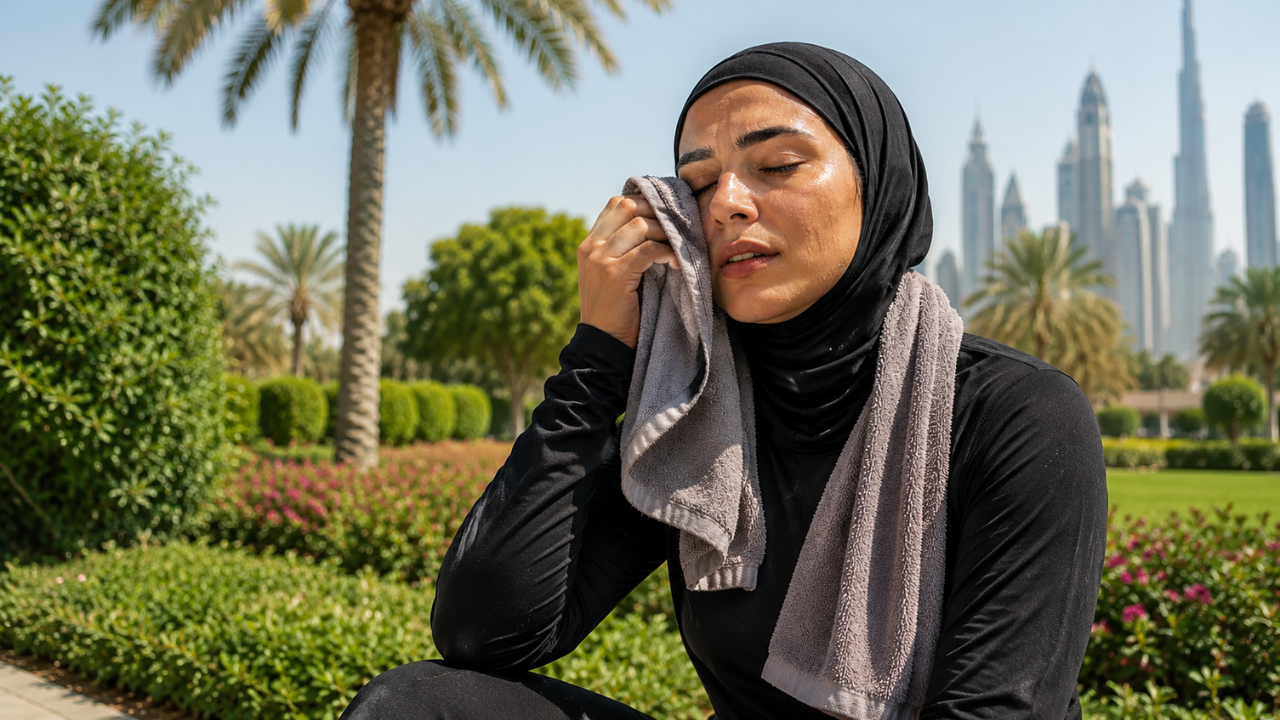
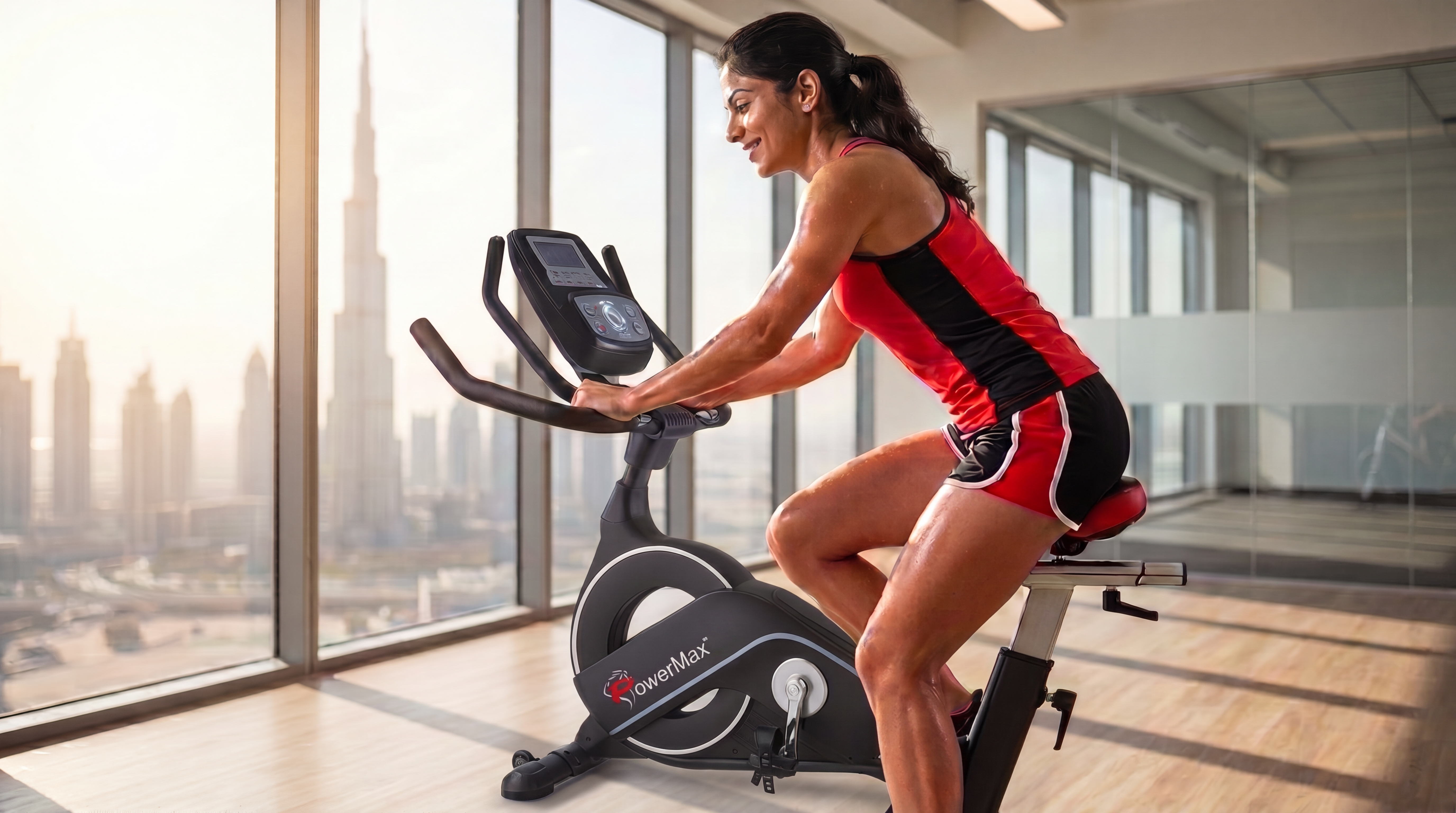
When you finish a workout, you usually have a sweaty shirt, and your heart is beating faster. Does sweating a lot really mean you are burning more calories? The answer is no. Sweating is your body's way of cooling down when your temperature rises during exercise.
The amount of sweat can be very different from one person to another. Things like the temperature, humidity, what you wear, how much water you drink, and the type of exercise you do can all affect how much you sweat. For example, two people can do the workout, and one person might be soaked in sweat while the other person is hardly sweating at all even if they are exercising just as hard.
Does Sweating Burn Calories?
Sweating itself does not burn calories. If you work out in a humid place, you might sweat a lot, but that does not mean your body is using more energy than it would if you were working out in a cooler place. The same thing happens when you exercise outside on a day. You might sweat a lot during a workout that's not even that hard just because of the weather. So how much you sweat is not a way to tell if your workout is effective.
What Really Determines Calories Burned During Exercise?
The number of calories you burn during exercise can be different for each person. Things like how long you work out, how hard you work out, your weight, the type of exercise you do, and how fit you are can all make a difference. How hard you work out matters a lot. If you walk faster, you will burn more calories than if you walk slowly. If you jog or run, you will burn more calories. How long you work out matters.
Why Cardio Intensity Matters
Cardio workouts like running, cycling, and brisk walking are ways to burn calories and help your heart. You do not need to make every workout extremely hard. If you push yourself hard every day, you might get tired and find it harder to keep exercising. It is better to mix workouts with harder ones. This makes it easier to stick to your routine. Gives your body time to recover. The goal is to find a level of intensity that is challenging. Not so hard that it makes you feel exhausted.
How to Use a Treadmill for Effective Workouts
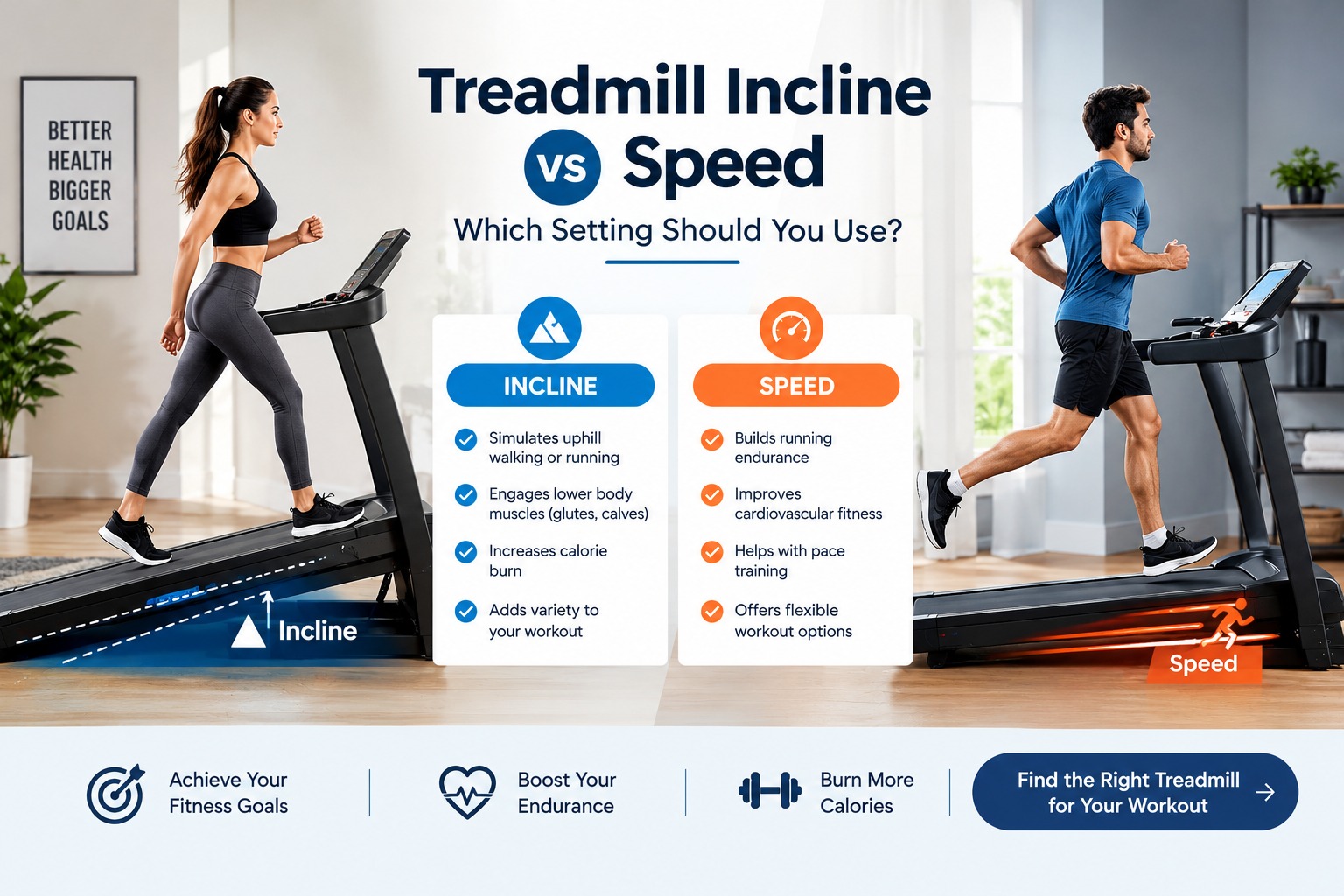
We can easily adjust workouts to fit your fitness level. If you are just starting out, you can begin with a walk and gradually increase the speed or add an incline as you get fitter. Adding an incline to your walk is a way to make your workout more challenging. You can also try interval training, where you walk faster for a while and slower and repeat.
One of the things about treadmills is that you have control over your workout. You can adjust the speed, incline, and duration to make it easier or harder and gradually build up your fitness over time.
The Benefits of Home Fitness Equipment
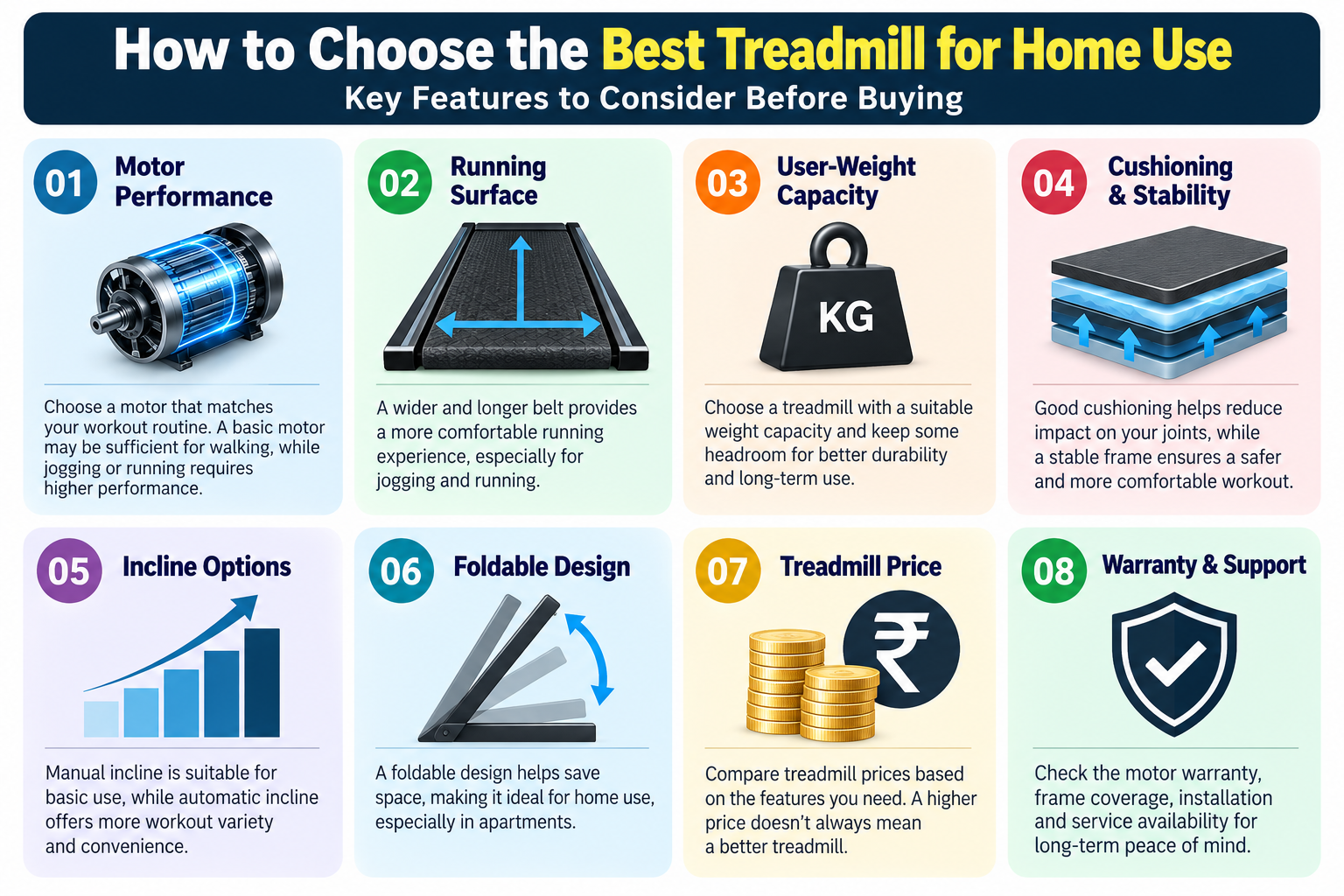
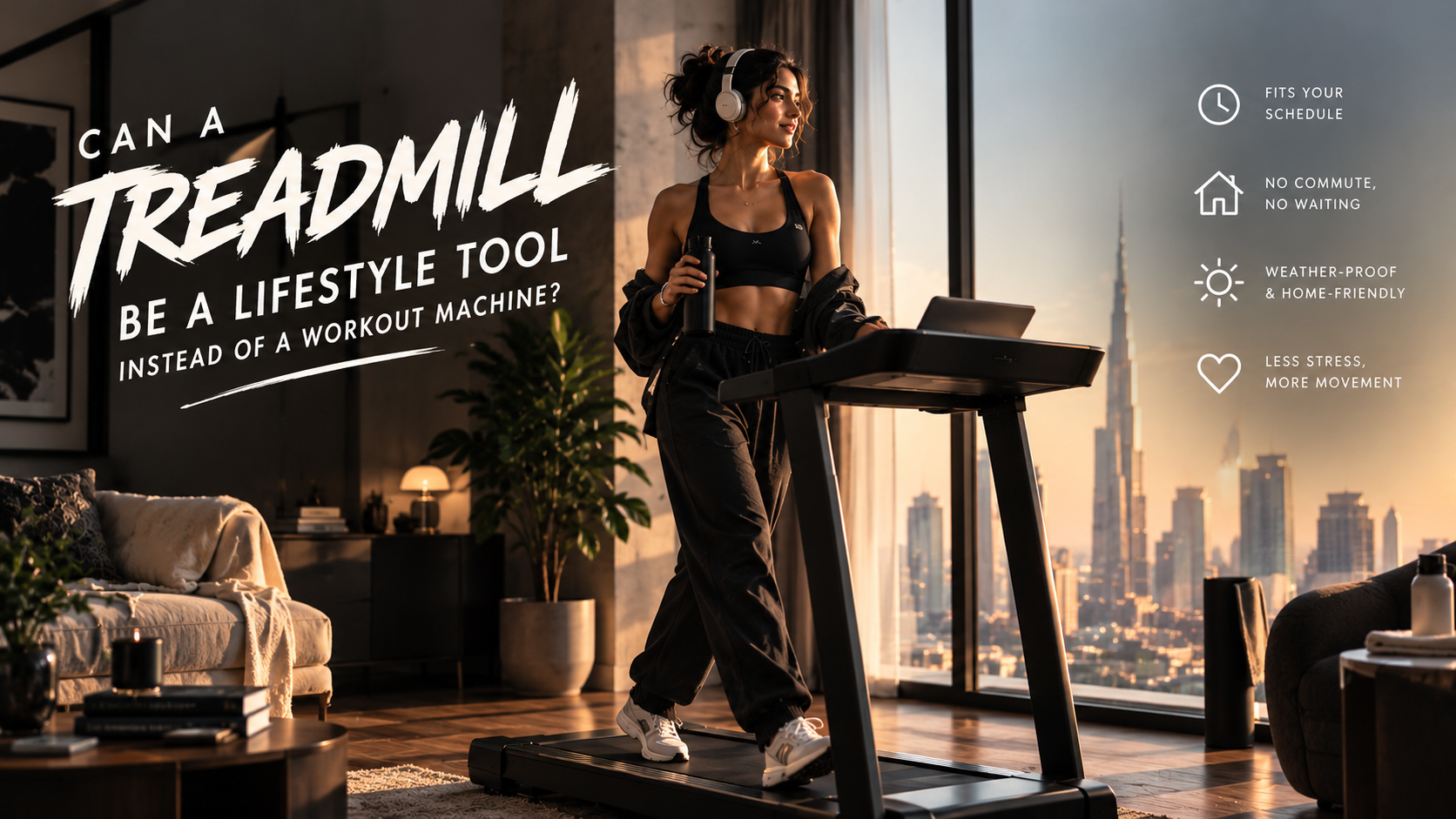
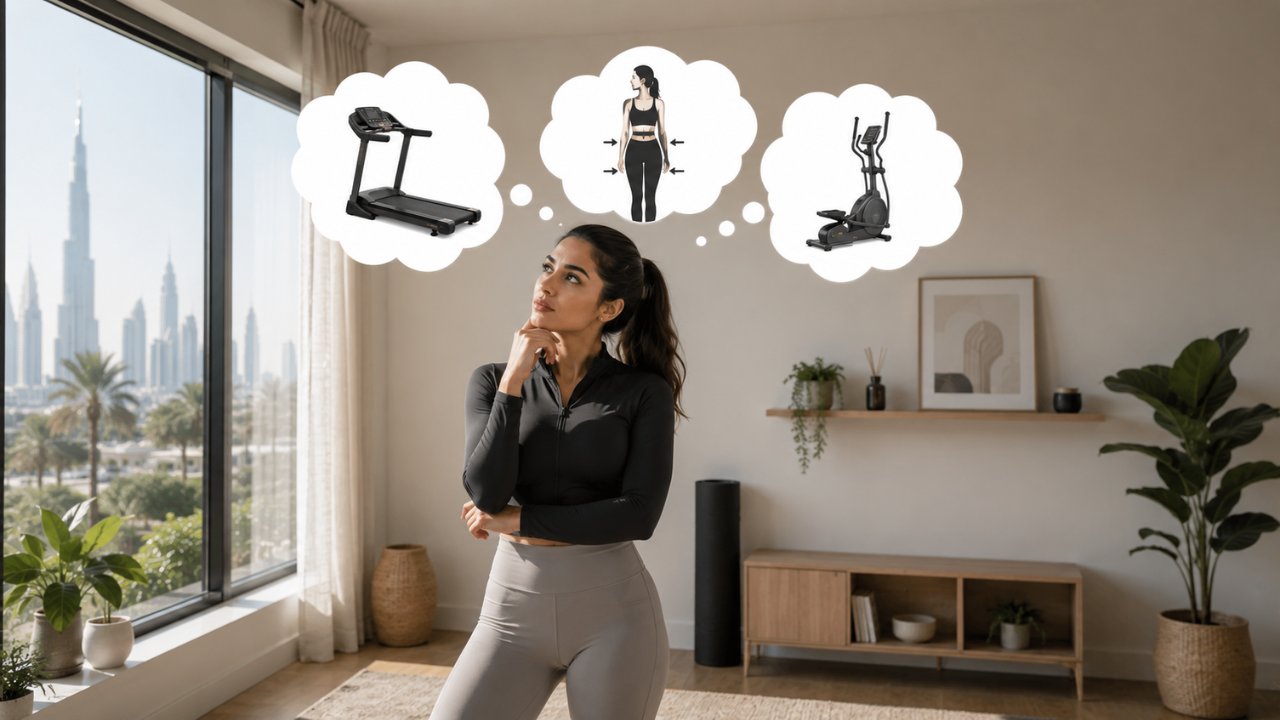
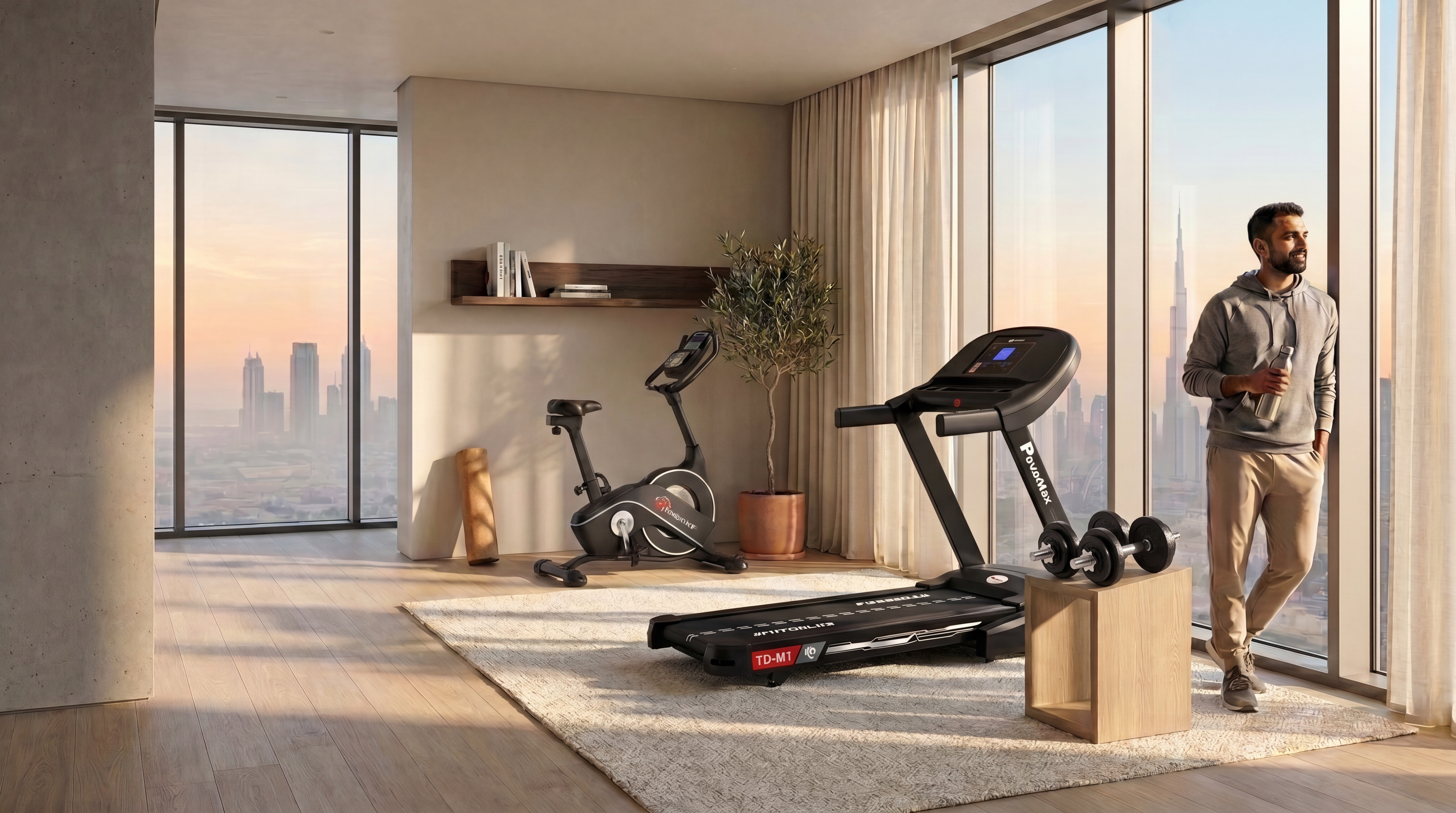
Having fitness equipment at home can make it easier to fit exercise into your life. You do not need to go to the gym every time you want to work out. When choosing equipment, think about how much space you have, what your fitness goals are, and what you are comfortable with. A simple piece of equipment that you use regularly is better than a machine that you never use. Home fitness equipment can also be helpful on days. Even a short 20 or 30-minute workout can be enough to keep you moving, especially if you have the equipment there at home.
Why Hydration Matters
When you sweat, you lose fluids, so it is important to stay hydrated when you exercise. Drinking water throughout the day and replacing fluids after sweaty workouts helps your body work properly. There is no need to exercise in heat just to sweat more. Sweating more does not mean you are burning calories or losing more fat. It is not as important for long-term fitness to try to sweat as much as possible as the intensity of your exercise, the right conditions for your workout, and proper hydration.
Final Thoughts
Sweating can make a workout feel harder. It is not a reliable way to measure calories burned or fat lost. Your body sweats to cool down, while calorie expenditure depends on things like exercise intensity, workout duration, weight, and activity type.
Fitness is not about finishing every workout soaked in sweat. The key components are exercise, good nutrition, proper hydration, and enough recovery time. The best workout routine is one that is manageable, allows for progress, and can be maintained consistently.