The Truth About 10,000 Steps: Do You Really Need That Many?
By Team Powermax30 Jul 2026
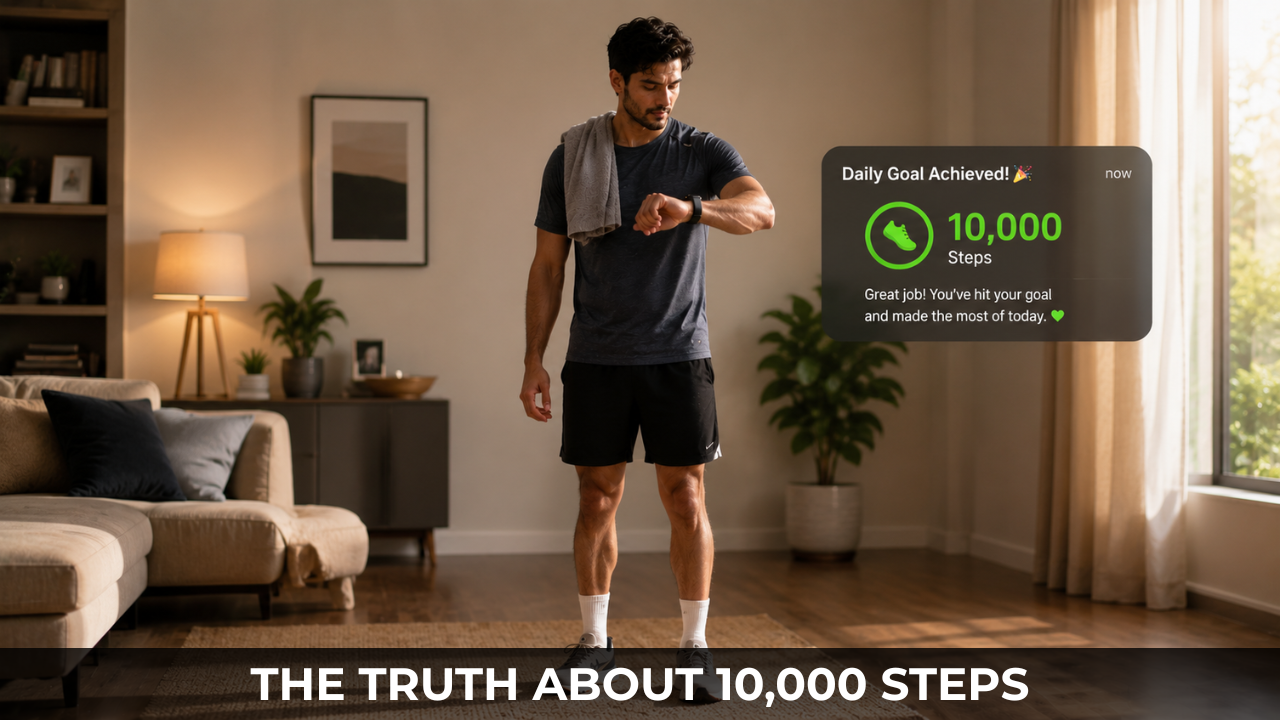
There was a time when nobody cared how many steps they walked in a day. You walked because you had somewhere to be. Then fitness trackers arrived, and suddenly a number, 10,000, started deciding whether we'd had a "good" day or not. Miss the target, and it feels like you've fallen behind. Hit it, and you sleep a little happier. It's strange when you think about it. Can one number really decide if you're healthy? Not quite.
The Number That Took Over Fitness
The idea of walking 10,000 steps a day feels so official that most people assume doctors came up with it. They didn't. The number actually became popular through a Japanese pedometer campaign decades ago. It was memorable, easy to market, and encouraged people to move more. Somewhere along the way, it stopped being a suggestion and became a rule people judged themselves by. That's not necessarily a bad thing. Millions of people became more active because of it. The problem starts when we believe anything less than 10,000 steps is pointless. Our bodies don't work like that.
Your Body Doesn't Count. It Responds.
Think about someone who spends eight hours at a desk every day. If they go from walking 2,500 steps to 6,500 steps consistently, that's a huge improvement. Their heart doesn't complain because they missed another 3,500. It simply benefits from moving more. That's what makes walking exercise so underrated. It doesn't demand expensive memberships or complicated routines. It quietly improves cardiovascular health, supports weight management, keeps your joints moving, and helps break up long hours of sitting. Maybe we've made fitness harder than it needs to be.
We've Started Treating Walking Like Homework
There's something funny about modern fitness. People happily spend an hour scrolling social media but feel frustrated if they can't squeeze in a 30-minute walk. We chase intense workouts because they feel productive, while something as simple as walking often gets dismissed. Yet ask someone who's stayed active well into their sixties or seventies, and chances are they'll tell you they walk every single day. Not because it's trendy. Because it's sustainable. That's the real advantage of low-impact cardio. You don't need to recover from it. You can do it tomorrow, and the day after that. Consistency always beats intensity that only happens once a week.
What If You Can't Walk Outside?
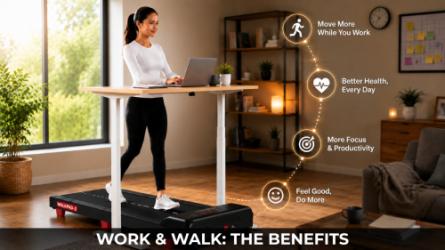
Some days, life gets in the way. The weather refuses to cooperate. Meetings run late. Traffic steals your evening. Before you know it, the day's almost over and you've barely moved. That's where having a simple indoor option changes everything. A walking pad treadmill fits naturally into busy routines. You can walk while catching up on a podcast, replying to emails, or watching your favourite series. It removes the biggest excuse most of us have, we simply "didn't get the chance."If you're short on space, the PowerMax Fitness JogPad Motorized Treadmill is a practical choice for anyone looking to stay active at home without dedicating an entire room to fitness.
Stop Chasing Perfect Days
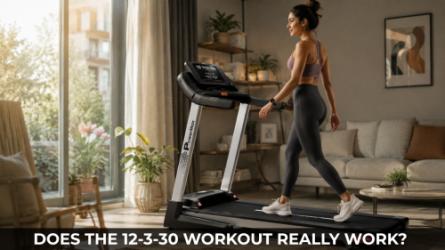
Fitness apps have a funny way of making us feel like we've either succeeded or failed. But real life isn't that tidy. Some days you'll walk 12,000 steps without trying. Other days you'll barely manage half because work, family, or travel gets in the way. Neither day defines your health. The habits you repeat week after week do. That's why many people are choosing to build a simple home fitness routine instead of relying on motivation alone. A reliable treadmill for home makes it easier to stay consistent, whether you're aiming for a brisk walk before breakfast or a light jog after work. For those who want a full-featured motorized treadmill, the PowerMax TDM-95 Motorised Treadmill offers a comfortable option for regular walking, jogging, and building a sustainable home gym setup.
Maybe We've Been Asking the Wrong Question
Instead of asking, "Did I reach 10,000 steps today?" maybe the better question is, "Did I move more than yesterday?" Because that's where progress begins. The healthiest people aren't always the ones chasing perfect numbers. They're the ones who keep showing up, even if it's just for a walk around the block, a few extra laps around the house, or twenty minutes on a treadmill before dinner. So, do you really need 10,000 steps? If it motivates you, it's a great goal. If you fall short, don't let the number convince you the day was wasted. Every step still counts. And the ones you take consistently will always matter more than the ones you only take to satisfy your smartwatch.

 India
(INR)
 UAE
(AED)