India
 UAE

Zone 2 Cardio: The Easy Fat-Burning Workout You're Not Doing
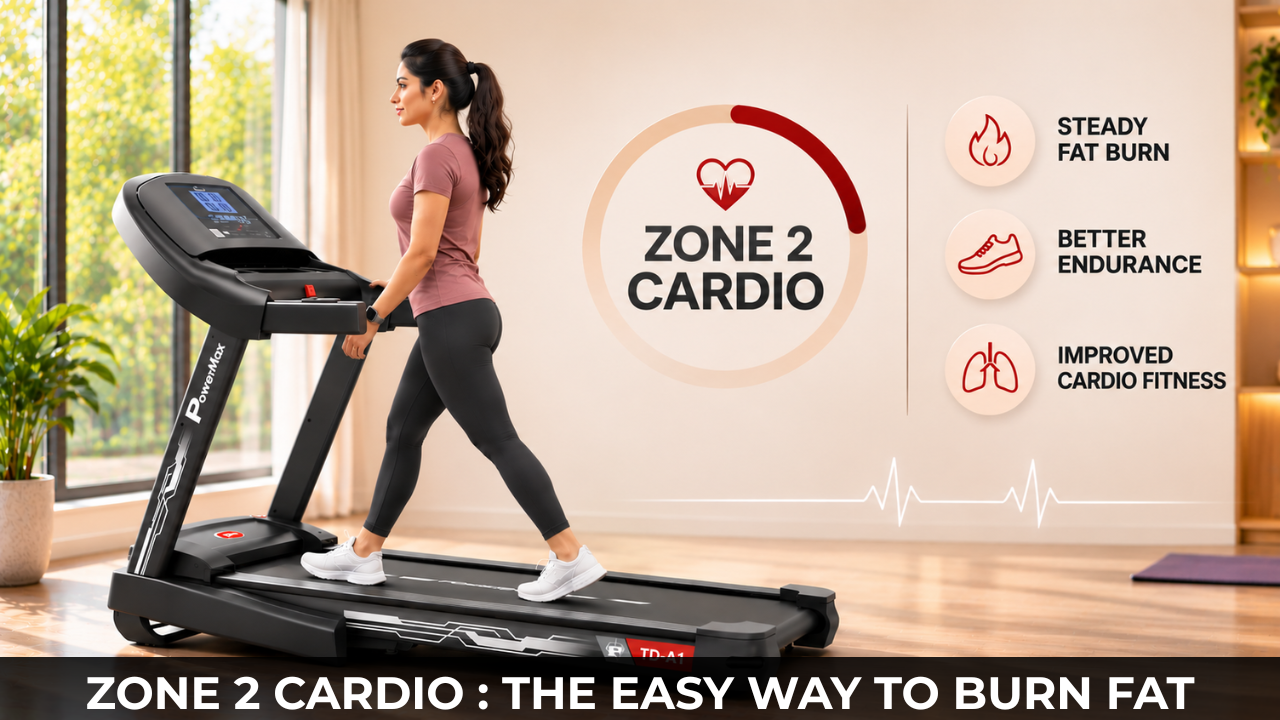
What if improving your fitness didn't require exhausting workouts, endless running, or pushing yourself until you couldn't breathe? Zone 2 cardio is changing how people approach fat loss, heart health, and long-term fitness.
Instead of exercising at maximum intensity, it focuses on maintaining a comfortable, steady effort for longer periods. Fitness experts and longevity researchers, including Dr Peter Attia and Andrew Huberman, have helped bring this training approach into mainstream conversations.
For Indians managing long office hours, work-from-home routines, increasing sedentary time, and unpredictable outdoor conditions, it's particularly relevant. You don't need a gym membership or complicated workout schedule.
Walking, cycling, or using simple home equipment can be enough. And if you're looking for an easy cardio workout at home, Zone 2 may be one of the most sustainable places to start. Here's how it works, why it matters, and how to make it part of your routine.
What Is Zone 2 Cardio? (And Why Is Everyone Talking About It?)
Zone 2 cardio is a form of low-intensity aerobic exercise performed at a steady, comfortable effort. The simplest way to understand it is through your breathing.
Imagine walking briskly with a friend. You're moving fast enough to feel slightly warmer and breathe a little deeper, but you can still maintain a conversation without gasping for air. That's approximately the effort associated with Zone 2.
The Simple Zone 2 Check
In a commonly used five-zone heart-rate model, Zone 2 is often estimated at around 60–70% of your maximum heart rate, although zone definitions vary between training systems.
The easiest way to recognise the effort is the talk test. You should generally be able to speak in full sentences, even though singing comfortably may become difficult.
Zone 2 has gained popularity because it makes aerobic training accessible and sustainable.
Rather than following the traditional "no pain, no gain" approach, it encourages regular movement that builds endurance without leaving you exhausted after every session. That's one reason it's becoming a popular addition to long-term fitness routines.
Why Slow Cardio for Fat Loss Can Be Surprisingly Effective
Most people assume that burning more fat requires working out harder. But the way your body uses energy is more complicated than that.
During lower-intensity exercise, your muscles generally obtain a larger proportion of their energy from fat. As exercise intensity increases, your body typically relies more heavily on carbohydrates because they can supply energy more rapidly.
This helps explain why slow cardio for fat loss has attracted so much attention.
Short, Intense Sprint
A short, intense sprint is like a firecracker: it releases energy quickly and demands considerable effort.
Steady Moderate Exercise
A steady, moderate-paced walk is more like a candle: it burns gradually and can continue for much longer.
Zone 2 workouts allow you to maintain a manageable effort while developing your aerobic capacity. Over time, consistent endurance training can improve mitochondrial function.
Mitochondria help your cells convert nutrients into usable energy. As your aerobic fitness develops, your muscles may become more efficient at using fat during exercise.
Important: Burning a higher percentage of fat during a workout doesn't automatically mean losing more body fat overall. Higher-intensity workouts may burn more total calories in less time. Sustainable fat loss depends on total energy balance, nutrition, physical activity, and consistency.
That's why Zone 2 isn't necessarily superior to every intense workout. Its real advantage is that many people find it easier to repeat regularly. For beginners, slow cardio for fat loss can be a practical foundation for developing lasting exercise habits.
6 Science-Backed Zone 2 Cardio Benefits
The value of Zone 2 extends beyond calorie burning. Regular moderate aerobic exercise supports several aspects of physical and mental health.
1. Improves Fat Utilisation
During lower-intensity activity, your body generally uses a greater proportion of fat for energy.
Consistent aerobic training can improve the muscles' ability to use oxygen and fuel efficiently. This supports endurance and can contribute to weight management when combined with appropriate nutrition.
2. Supports Heart Health
Regular aerobic activity strengthens cardiovascular fitness and may support healthier blood pressure and circulation.
For people spending long hours sitting at desks, consistent walking or cycling offers a practical way to increase daily movement. These benefits matter particularly in India, where cardiovascular disease remains an important public-health concern.
3. Supports Better Blood Sugar Regulation
Aerobic exercise helps working muscles use glucose and can improve insulin sensitivity.
Over time, regular physical activity is associated with a lower risk of developing Type 2 diabetes. Zone 2-style workouts can be one manageable way to build that routine, although exercise doesn't replace prescribed medical care.
4. Builds Stamina Without Excessive Fatigue
Intense workouts can leave beginners feeling tired or sore.
Lower-intensity cardio generally requires less recovery, making it easier to maintain regular sessions. As your fitness improves, you may notice that activities such as climbing stairs or walking longer distances feel more comfortable.
5. Offers a Joint-Friendly Exercise Option
Walking, cycling, rowing, and elliptical training can provide aerobic exercise without the repeated high-impact loading associated with running.
This makes them useful options for many beginners and older adults. However, low-impact does not mean risk-free, particularly for people recovering from injuries.
6. Helps Manage Stress and Mood
Steady aerobic activity can support mental well-being, improve mood, and contribute to better sleep.
A comfortable workout may also provide a refreshing break from screens and work-related stress. These Zone 2 cardio benefits make regular movement valuable even when weight loss isn't your primary goal.
How to Find Your Zone 2 Heart Rate
You don't need advanced fitness equipment to estimate your training intensity. Two simple methods can help you get started.
Method 1: The Talk Test
The talk test is one of the easiest ways to judge exercise intensity. During your workout, try speaking a complete sentence.
If you can speak comfortably but notice that you're breathing more deeply than at rest, you may be near a moderate aerobic effort.
If you need to stop speaking to catch your breath, reduce your speed or resistance. If you're barely breathing harder than usual, gradually increase your effort.
This isn't a perfect measurement of Zone 2, but it's a useful starting point.
Method 2: The Heart Rate Formula
A commonly used estimate is:
Maximum Heart Rate = 220 - Your Age
For a simple five-zone model:
Estimated Zone 2 = 60–70% of Maximum Heart Rate
For example, a 30-year-old has an estimated maximum heart rate of 190 beats per minute. Their approximate Zone 2 range would be 114–133 bpm.
Zone 2 Heart Rate by Age
| Age | Estimated Maximum Heart Rate | Estimated Zone 2 Range |
|---|---|---|
| 25 | 195 bpm | 117–137 bpm |
| 30 | 190 bpm | 114–133 bpm |
| 35 | 185 bpm | 111–130 bpm |
| 40 | 180 bpm | 108–126 bpm |
| 45 | 175 bpm | 105–123 bpm |
| 50 | 170 bpm | 102–119 bpm |
| 55 | 165 bpm | 99–116 bpm |
| 60 | 160 bpm | 96–112 bpm |
These are approximate training ranges, not personalised medical targets. Actual maximum heart rate and training zones can differ substantially between individuals.
This table is a useful starting point when researching a fat burning heart rate zone, but it shouldn't be treated as an exact prescription. Heart-rate-based training is particularly sensitive to individual fitness, medication, and health conditions. A smartwatch or chest-strap monitor can help track your heart rate during workouts. For more accurate personalised zones, exercise testing with a qualified professional may be helpful.
How to Do Zone 2 Cardio at Home (With the Right Equipment)
You don't need outdoor running routes or access to a fitness studio. For people living in Indian apartments, working from home, or avoiding poor outdoor air quality, indoor cardio equipment offers a convenient alternative.
Treadmill - The Most Popular Zone 2 Choice
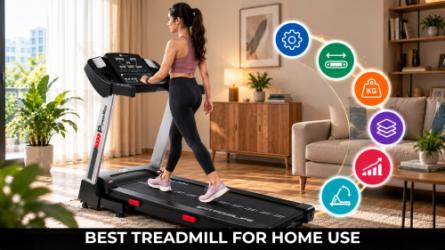
Walking on a treadmill at a comfortable pace is one of the simplest ways to maintain steady aerobic activity.
Some users may find 5–6 km/h with a gentle incline suitable, although the correct setting depends on individual fitness.
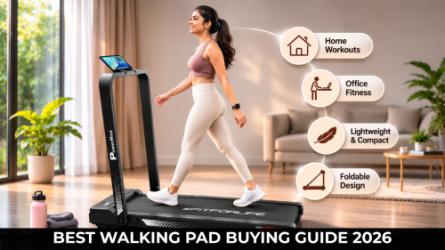
A treadmill for home use makes speed adjustments convenient. A foldable treadmill or walking pad can also suit smaller rooms. The best treadmill for home use is one that encourages consistent walking.
Elliptical / Cross Trainer - Low-Impact Full-Body Cardio
An elliptical cross trainer for home usecombines leg movement with upper-body activity on models featuring moving handles.
Because your feet remain supported, it avoids the repeated landing impact of running. You can adjust resistance to maintain a conversational pace for 30–45 minutes. A cross trainer is worth considering if you prefer a smooth, continuous workout.
Rowing Machine - Full-Body Zone 2
A rowing machine provides coordinated movement involving the legs, back, core, and arms. When performed at a steady pace with controlled resistance, rowing can become an effective aerobic workout.
The key is maintaining good technique and avoiding the temptation to pull too hard. Beginners should focus on form before increasing duration.
Exercise Bike - The Classic Choice
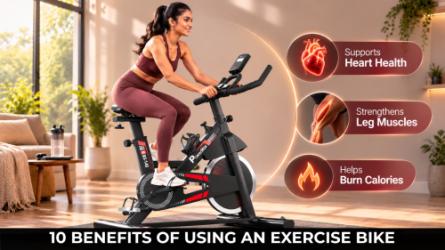
An exercise bike for home use is another comfortable option for sustained aerobic training. Adjust the resistance until you can pedal smoothly while maintaining a conversation.
Cycling is particularly convenient for people who prefer seated exercise. You can also listen to music or watch television during steady sessions.
A Simple 4-Week Zone 2 Plan for Beginners
If you're new to aerobic exercise, start with manageable sessions rather than immediately attempting long workouts. The following plan is designed to help you develop consistency while gradually improving endurance.
Weeks 1–2: Build Your Foundation
Frequency: Three sessions per week
Duration: 20–25 minutes per session
Suggested activities:
- Walk on a treadmill at a comfortable speed, using approximately 5 km/h and a gentle 2–3% incline only if suitable.
- Alternatively, use an elliptical trainer at low resistance.
- Use the talk test to monitor your effort.
- Slow down whenever your breathing becomes uncomfortable.
The goal is not to finish exhausted. It's to develop a routine you can comfortably repeat.
Weeks 3–4: Increase Your Duration
Frequency: Four sessions per week
Duration: 30–40 minutes per session
Alternate between treadmill walking, elliptical training, comfortable cycling, and steady rowing. If your fitness allows, include one longer session of approximately 45 minutes. Avoid increasing both speed and duration aggressively at the same time.
Your Four-Week Workout Plan
| Week | Sessions | Duration | Main Goal |
|---|---|---|---|
| Week 1 | 3 | 20 minutes | Learn your comfortable pace |
| Week 2 | 3 | 25 minutes | Improve consistency |
| Week 3 | 4 | 30–35 minutes | Build aerobic endurance |
| Week 4 | 4 | 35–40 minutes | Maintain steady effort |
By the end of the month, aim to complete four comfortable sessions each week, working towards approximately 40 minutes per session. That's around 160 minutes of weekly activity, aligning with the World Health Organization's minimum recommendation of 150 minutes of moderate-intensity aerobic activity per week.
Your pace can be slower or faster than someone else's. What matters is maintaining an appropriate level of effort. On rest days, you can incorporate gentle walking, mobility exercises, or stretching.
Zone 2 Cardio - Mistakes to Avoid
Zone 2 appears simple, but a few common habits can make training less effective.
Going Too Fast
If you're struggling to speak comfortably, your effort may be too high. Reduce speed, resistance, or incline.
Replacing Every Workout with Intense Cardio
High-intensity training can be beneficial, but it doesn't need to dominate every session. A combination of aerobic training, strength work, and adequate recovery is often more practical.
Training Too Inconsistently
An occasional session is beneficial, but regular activity is more likely to produce noticeable endurance improvements. Aim for a sustainable weekly schedule.
Relying Entirely on Heart-Rate Numbers
Wearable devices are helpful but not perfectly accurate. Combine heart-rate readings with breathing, perceived effort, and the talk test.
Expecting Immediate Fat Loss
Improvements in aerobic fitness and body composition take time. Consistency, nutrition, sleep, and total physical activity matter more than any single workout.
Remember: Zone 2 isn't a competition to maintain the highest possible heart rate while still calling the workout easy. The objective is controlled, repeatable movement.
Frequently Asked Questions
Zone 2 cardio is steady aerobic exercise performed at a pace where you can comfortably hold a conversation. It's often estimated at around 60–70% of maximum heart rate in a five-zone model. Brisk walking, comfortable cycling, and steady rowing are common examples.
Yes, treadmill walking can qualify as Zone 2 cardio when your effort and heart rate are appropriate. Some people may reach this intensity at 5–6 km/h or with a gentle incline, while others need different settings. Use the talk test rather than relying only on speed.
Many adults can aim for 30–45 minutes per session, three or four times weekly. Beginners may start with 15–20 minutes and gradually increase. The World Health Organization recommends at least 150 minutes of moderate aerobic activity weekly, and shorter sessions also provide benefits.
Zone 2 cardio can support overall fat loss by contributing to regular physical activity and energy expenditure. However, you cannot choose where your body loses fat, and using fat as fuel during exercise doesn't guarantee belly-fat reduction. Nutrition and consistency are also important.
Many healthy adults can perform comfortable, low-to-moderate-intensity aerobic activity daily. However, suitable frequency depends on fitness, recovery, health conditions, and overall training load. Beginners can start with three or four weekly sessions and build gradually as their endurance improves.
Both are effective options. Treadmill walking offers familiar movement and convenient speed control, while elliptical exercise provides smooth, lower-impact motion. Neither is automatically better for fat loss. Choose based on comfort, joint tolerance, available space, and the activity you can perform consistently.
Conclusion: Make Zone 2 Cardio Part of Your Everyday Routine
Zone 2 cardio proves that improving your fitness doesn't always require exhausting workouts.
Steady walking, cycling, rowing, or elliptical training can help build endurance, support cardiovascular health, and contribute to long-term weight management.
The biggest advantage is its simplicity. You can exercise at a comfortable pace without constantly pushing your limits.
For Indian households, home fitness equipment makes consistency easier regardless of weather, pollution, or busy schedules.